

Lone Star Drone
Sep 12, 2025
A New Challenger to DJI’s Mini Drone Dominance or Just a Rebrand?
Introduction
The SkyRover X1 has quickly become one of the most talked-about drones in the sub-250g category, offering a sleek foldable design, 4K video, 360° obstacle sensing, and a price point that has hobbyists and content creators paying attention. But with features and specifications that look strikingly similar to DJI’s Mini 4 Pro, many in the drone community are asking: is this truly an independent competitor, or simply a rebranded DJI product designed to skirt trade restrictions and bans? In this article, we’ll break down what the SkyRover X1 is, who it’s for, where it comes from, and what the online community is saying about its place in the drone market.
What is the SkyRover X1 Drone
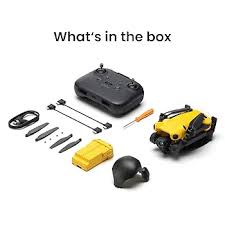
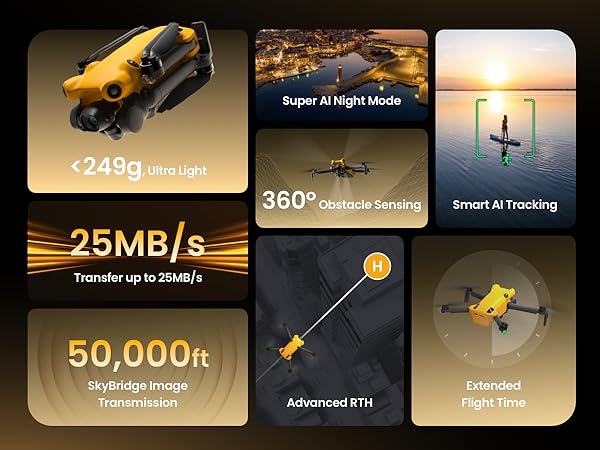
The SkyRover X1 is a foldable, lightweight quadcopter designed to fit into the increasingly competitive sub-250g category. At just 249 grams, it avoids many of the regulatory hurdles that apply to heavier drones, making it an attractive choice for hobbyists and casual flyers.
Despite its small size, the X1 is packed with features. It carries a 1/1.3-inch CMOS sensor capable of recording 4K video at up to 60 frames per second, as well as capturing high-resolution stills marketed as “8K photos.” The camera also supports slow-motion recording and other creative modes that appeal to content creators.
On the performance side, the drone offers up to 32 minutes of flight time per battery under ideal conditions, with a claimed transmission range of around 15 kilometers. It’s equipped with multi-direction obstacle sensing — including sensors on the front, rear, and underside — providing close to 360-degree coverage to help avoid collisions.
The SkyRover X1 also includes a range of intelligent flight modes such as waypoint missions, subject tracking, panoramas, hyperlapse, and an automatic return-to-home function. Vertical shooting and a dedicated night mode make it particularly useful for social media creators who need versatile footage in different formats and lighting conditions.


Who Is It For
The SkyRover X1 is designed with accessibility in mind, making it a strong option for hobbyists, beginners, and frequent travelers who want a capable aerial camera without the high cost of flagship models. It delivers many of the features found in more advanced drones but in a smaller, lighter, and more budget-friendly package.
Content creators and social media users are also a clear target audience. With built-in vertical shooting, subject tracking, and creative modes like panoramas and hyperlapses, the X1 makes it easy to capture footage formatted for platforms like Instagram, TikTok, and YouTube Shorts.
Another group that benefits from the X1’s design are flyers constrained by drone regulations. Because it weighs under 250 grams, it avoids many of the registration and licensing requirements that apply to heavier drones, making it appealing for those who prefer a simpler path to flying.
That said, the SkyRover X1 is not aimed at professional cinematographers or industrial operators who demand the highest image stability, ruggedness, or precision sensors. Some trade-offs in build quality and stabilization place it firmly in the consumer and enthusiast space rather than the top tier of professional drones.
Where It Comes From / Who Makes It
The SkyRover X1 is officially branded under the SkyRover name, with product listings identifying it simply as the “SkyRover X1.” Beyond that, however, its origins are less clear, and this is where much of the conversation around the drone turns speculative.
Observers have noted that the X1 shares striking similarities with DJI’s products — not just in appearance, but in hardware design, software behavior, and even app infrastructure. Reports suggest that elements of the code, encryption, and backend systems mirror those used by DJI, leading some to believe the X1 could be a rebranded or derivative design. The theory is that it may serve as a way to sidestep certain trade restrictions or regional bans targeting Chinese-made drones.
Security researchers have even pointed out that the app appears to connect to the same underlying systems DJI uses, with renamed or lightly altered references that hint at a shared origin.
As for manufacturing, there are mentions of production ties to Malaysia and companies like SZ Knowact, though nothing has been confirmed publicly. What does seem likely is that the drone is built using many of the same supply chains or original equipment manufacturers that already produce DJI’s hardware.
In short, while SkyRover is the label on the box, the DNA of the X1 suggests it may be closely tied to DJI’s ecosystem — whether through shared suppliers, inherited designs, or more direct connections that have yet to be formally acknowledged.
Is It Just a Copy of the DJI Mini 4 Pro?
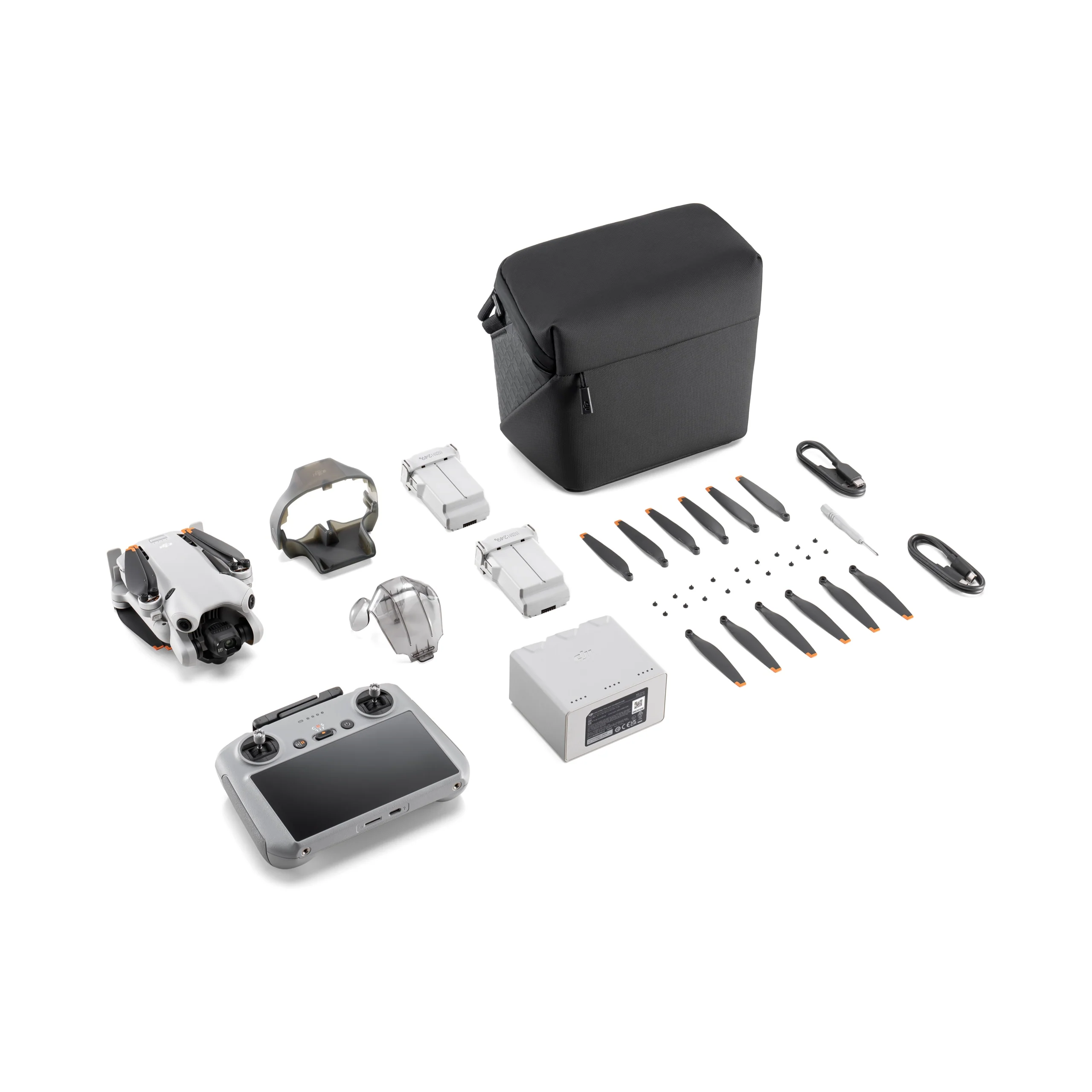
At first glance, the SkyRover X1 looks almost identical to DJI’s Mini 4 Pro. Both drones weigh in at around 249 grams, placing them just under key regulatory thresholds. The similarities don’t stop there — the camera specifications, advertised flight times, and even the obstacle avoidance systems appear to overlap in meaningful ways.
That said, there are some important differences. The Mini 4 Pro uses a true three-axis mechanical gimbal for stabilization, which delivers smoother footage in wind and during sharp maneuvers. The SkyRover X1, by contrast, relies more heavily on electronic image stabilization, which can struggle in tougher conditions. Flight time is comparable on paper, but DJI’s engineering tends to hold up better when conditions are less than ideal.
Both drones feature multi-direction obstacle sensing and a suite of intelligent flight modes, though DJI’s system is more established and widely regarded as more reliable. Build quality is another point of separation: the X1 uses lighter plastics, thinner propellers, and does not support cross-compatibility with DJI controllers or batteries.
Software and long-term support may be the biggest differentiator. DJI has a proven track record of consistent firmware updates, a large global user base, and a reliable support infrastructure. SkyRover, being newer to the market, doesn’t yet have that same history — which leaves questions about future updates and long-term dependability.
So while the SkyRover X1 is clearly modeled in the spirit of the Mini 4 Pro, it isn’t a one-to-one copy. It delivers many of the same features at a potentially lower cost, but with compromises in build quality, stabilization, and support that buyers should keep in mind.

What People Are Saying Online
The SkyRover X1 has sparked plenty of conversation since its release, with opinions ranging from excitement over its value to skepticism about its origins.
Positives
Many early users highlight the impressive balance of features and price. For several hundred dollars less than DJI’s Mini 4 Pro, the X1 delivers multi-direction obstacle avoidance, 4K video recording, and solid flight times, making it a compelling choice for budget-conscious buyers. Its weight under 250 grams is another strong selling point, since it simplifies compliance with drone regulations in many regions.
Performance in straightforward conditions has also earned praise. Travelers, hikers, and social media creators note that the drone captures high-quality footage for their needs, even if it doesn’t match the stability or refinement of professional-grade equipment.
Criticisms and Concerns
Not all feedback has been glowing. Some pilots have raised concerns about build quality, pointing to lighter plastics and thinner motor housings that may be more vulnerable to damage in rough conditions or crashes. The advertised 15-kilometer transmission range is also seen as overly optimistic — in practice, interference, terrain, and obstacles often cut that distance significantly.
The reliance on electronic stabilization rather than a mechanical gimbal is another drawback, as footage can show shake in windy or dynamic flying scenarios. Additionally, the drone isn’t compatible with DJI’s controllers or batteries, disappointing those who hoped it might function as a true alternative or companion to DJI products. Finally, uncertainty remains about long-term support. Because the X1 is so new, there’s little evidence yet about the frequency of firmware updates, warranty responsiveness, or overall ecosystem reliability.
Is It Really DJI?
A recurring theme in online discussions is whether the SkyRover X1 is secretly tied to DJI. Observers point to the striking design similarities, overlapping software features, and even shared backend systems as evidence that the X1 could be a rebranded DJI product, possibly intended to sidestep trade restrictions. While nothing has been confirmed, the speculation has fueled both intrigue and caution among potential buyers.
Conclusion
The SkyRover X1 has certainly made a splash, bringing an impressive array of features to the sub-250g drone market. Its foldable design, 4K camera, obstacle sensing, and creative flight modes make it an attractive option for hobbyists, travelers, and content creators who want professional-looking footage without breaking the bank or dealing with heavy regulatory hurdles.
At the same time, buyers should approach with measured expectations. The build quality, reliance on electronic rather than mechanical stabilization, and uncertain long-term support raise valid concerns. And while its similarities to DJI’s Mini 4 Pro are striking, questions about its true origins only add to the uncertainty.
For the right user, the SkyRover X1 offers excellent value and capability at a lower cost, especially for those capturing social media content or looking for a travel-friendly drone. But for professionals or anyone who prioritizes proven reliability and long-term ecosystem support, DJI’s established models remain the safer bet.